This article looks at understanding the five stages of grief. Navigate loss with empathy and resilience, supported by expert perspectives and practical advice.
The feeling of loss can often be incredible, often leaving people in a state of profound disbelief known as the first stage of the grieving process, 'denial'. This is a common initial reaction, characterised by feelings of numbness and bewilderment. In denial, the harsh reality of the loss feels intensely surreal. Some may reject the fact that the loss has occurred.
Often, there is a pervasive feeling of disconnection from the world, like they're wrapped and enveloped in a dense fog of disbelief. This abrupt life alteration can be overwhelming and difficult to acknowledge. Denial can be viewed as a defence mechanism.
It shields us from the immediate onslaught of pain associated with the loss, acting as a mental refuge from the daunting truths we are not prepared to confront at that instant. Individuals in this stage might pose questions such as, 'Why is this happening?' or affirm that 'This cannot possibly be happening.'
Undeniably, it's vital to remember that denial and disbelief are normal responses to a sudden change or loss. Being in denial is the mind's way of cushioning the blow and giving us time to adjust to the new reality. It is only when we start acknowledging the truth of our situation that the initial haze of denial starts receding, leading the way to other grief stages.
When grief engulfs us, the first instinct is often to suppress it, entering into a state of denial. But as we gradually accept the reality of the loss, the numb fog of denial starts to lift, only to be replaced by a second, and much more potent stage of grieving: anger.
The road to navigating through this new, disturbing emotion can be as challenging as climbing a steep hill. This anger takes many forms and can target various aspects of our lives. It could be self-directed, leaving us overwhelmed with feelings of guilt and self-blame.
It might be aimed at the loved one we've tragically lost, stirring up feelings of resentment for their departure. It might even surface as anger towards God or the universe, as we question the injustice we've been dealt.
Alternatively, our anger may not have a specific target, occasionally embellishing itself as irritation towards random people or objects. The cries of, 'Why me?' or 'It's not fair!' can be all too familiar for those wrestling with this difficult stage of grief. The intensity of these feelings of anger often takes us by surprise, leaving us reeling.
But to navigate this journey, it's paramount that we acknowledge that anger is a normal, and necessary, part of the healing process. During this stage of grief, the instinctive reaction may be to feel guilty or embarrassed about emotional outbursts and expressions of anger. But it's vital that these emotions are not suppressed or bottled up.
A healthy outlet such as counselling or joining a support group can provide a much-needed safe space to express these emotions without judgment. Interestingly, our anger, as maddening as it can be, often serves an elusive purpose. It paradoxically keeps us connected to the person who's no longer with us, tethering us to them in an emotional tug-of-war.
Viewing anger in this light can help us understand it not just as a destructive force, but also as an essential part of healing and maintaining a bond with the departed.

The 'Bargaining' stage, the third in the grief process, tends to be dominated by a barrage of 'what if' and 'if only' questions. People find themselves in a state of negotiation, either with themselves or a higher power to alter the grim reality they are faced with.
Frequently, this can culminate in feelings of guilt, shame, and regret, as people start blaming themselves for the situation they are in. There's a common pattern of thoughts at this stage that often sounds like, 'If only I had acted differently...' or 'Perhaps if I do this instead, I will be able to change the outcome...'
These thoughts, futile as they may be, can eventually form a relentless mental cycle, with people trying their utmost to recover the control they feel they've lost over their lives. Recognising that we are in the bargaining stage of grief can offer understanding and perspective.
It can emphasise the senselessness of dwelling on hypothetical scenarios and regrets, shedding light on how they can feed our sorrow rather than alleviate it.
Indeed, this critical understanding can be a delicate step towards the acceptance of our painful reality, and starting to address the tangible issues that surround it. It's important to remember grief is a personal process and varies dramatically between people.
The fourth phase of dealing with loss or trauma, also known as the ‘Depression’ stage, is fundamentally different from the previous stages such as anger and bargaining, that are often described as 'active'. The 'Depression' stage often feels immobilising like a junction of passive emotions.
This stage cuts deeper than any other and revolves around true acceptance of the loss, accompanied by the encompassing sense of emptiness it leaves behind. As the harsh reality sinks in, we may start grappling with overwhelming feelings of solitude, and the intended purpose or significance in our usual daily activities might appear to be lost.
Consequently, we may tend to distance ourselves from people around us, not due to our anger but the outgrowth of perceived meaninglessness in everything. It's important to understand that experiencing 'depression' in such scenarios is not indicative of any mental disorder.
Rather, it reflects a completely natural and justified response to profound loss. Remember, you're not weak for feeling this way; it's simply part of the grieving process.
Reaching out for help from trustworthy people or even professional assistance during this testing phase is greatly advised. Far from being seen as a weakness, it is often an enormously beneficial decision that significantly aids in dealing with the painful phase of 'depression'.
The final stage in the progression of grief, referred to as 'Acceptance', is often misunderstood as being equivalent to reaching a stage of jubilation or 'happiness'. This is a misconception; acceptance is actually a phase where the individual recognises the real-life consequences of the loss.
During this stage, the powerful reactions linked with grief start to ebb. The individual is able, bit by bit, to regain authority over their emotional sphere. Processes that previously were hijacked by feelings of despair and sorrow start to slowly return to normal.
It is important to clarify that this does not denote a lack of sadness or a complete vanishing of the pain. Instead, it signifies an introduction of stability in the midst of turbulence. As we progress through this stage of acceptance, we begin to see possibilities of life beyond the cloud of grief that has been hanging over us.
Slowly, the world outside starts to come into view, and we commence planning for the days ahead. A sense of direction, that was seemingly lost, begins to find its way back into our lives. This understanding goes hand in hand with the realisation that the way we knew our lives to be has changed forever. We cannot go back to how things were, nor can we hold onto past routines. We are not the same people we were before the loss.
As such, we establish new norms, rules, and ways of living for ourselves. We find ways to accommodate our loss within the schema of our lives, and we strive to move forward. However, it is crucial to note that acceptance of a loss does not mean that the individual does not yearn for their loved one. It doesn't mean they have forgotten or moved on completely from the person they have lost.
Instead, it suggests that they have learnt how to live in a world where their loved one is not present physically. They understand that while their loved one is gone, life can, and does, move on. They realise that it is possible to remember their loved one in their hearts and in their memories and still embrace life anew.
The benefits of planning your funeral in advance include reducing stress for loved ones, protecting against rising costs, ensuring your wishes are followed, and gaining peace of mind.
Thinking about your own funeral might not be easy, but making plans ahead of time can offer real advantages - both for you and for the people you care about.
Planning your funeral in advance means deciding how you’d like your funeral to be handled and, in many cases, taking care of the financial side too. This may involve choosing between burial or cremation, deciding on the style of service, selecting music or readings, and outlining any personal preferences.
You may also choose to put a pre-paid funeral plan in place. This allows you to pay for the services ahead of time, at today’s prices. With everything organised in advance, your family will have clear guidance and one less thing to worry about when the time comes.

When someone dies without a plan, their loved ones are left to make arrangements quickly while dealing with grief. This can lead to confusion, rushed decisions, or even disagreements about what the person would have wanted.
By planning ahead, you remove this burden from your family. They won’t need to make difficult choices or guess what you would have preferred. Instead, they’ll have the comfort of knowing that your wishes have already been set out — helping them focus on saying goodbye and remembering your life.
Everyone has their own vision of how they’d like to be remembered — from the tone of the service, to the location, the readings, and even the flowers. Planning ahead allows you to set out your preferences in detail so that the funeral reflects your values, beliefs, and personality.
Whether you’d prefer a quiet gathering or a full celebration of life, making these choices in advance ensures they’re carried out just as you’d like. It also removes uncertainty for your family and gives them reassurance that they’re honouring you in the right way.
Funeral prices tend to increase over time, and it’s not always possible to predict how much a future service might cost. One of the main reasons people choose to plan ahead is to protect against these rising costs.
By choosing a pre-paid funeral plan, you can lock in today’s prices, meaning your family won’t have to pay more later due to inflation or price changes. These plans can be paid in a lump sum or through monthly instalments, offering flexibility while still providing cost protection. It’s a sensible way to manage funeral expenses and reduce the financial impact on your loved ones.
Perhaps the most valuable benefit of all is the peace of mind that funeral planning brings. You’ll have the comfort of knowing that your arrangements are handled, your preferences recorded, and the costs taken care of.
For your family, it means fewer decisions, less financial pressure, and a clear path to follow during a time of loss. It’s a simple, considerate act that can make a world of difference, allowing them to focus on remembering you rather than worrying about the details.
Taking the time to plan now is one of the most thoughtful steps you can take. It ensures your final wishes are respected, and it gives your loved ones lasting support and guidance when it matters most.
Planning your funeral may not be something you want to think about, but doing so can be one of the most thoughtful decisions you make.
A pre-paid funeral plan allows you to sort out the details and costs in advance, helping ease the burden on your family when the time comes.
A pre-paid funeral plan is a way to organise and pay for your funeral before it is needed. It allows you to decide on the type of service you’d like and settle the costs at today’s rates.
These plans are offered by funeral providers or specialist companies and can be paid in full or through monthly instalments. They typically cover services such as the funeral director, a coffin, transport, and sometimes third-party fees like cremation or burial charges.
With a plan in place, you can rest assured that everything is arranged according to your wishes.

Funerals can be expensive, and sudden costs during a time of grief can be difficult for families to manage. A pre-paid funeral plan takes care of these expenses ahead of time.
This removes the need for loved ones to arrange funds or worry about unexpected bills. It also prevents the need for loans or dipping into savings, easing both financial and emotional strain during a challenging period.
By settling these matters in advance, you’re offering your family relief from one of the most stressful parts of saying goodbye.
Like many other expenses, funeral costs tend to rise over time. With a pre-paid plan, you fix the price of your funeral at the time of purchase, avoiding inflation and future price increases.
This protects you and your family from financial uncertainty and ensures that the services you choose now are guaranteed without added future costs.
It’s a smart financial move that can result in long-term savings, especially as the cost of living continues to climb.
A pre-paid funeral plan lets you record your wishes in detail — from the kind of service you want to the music and readings you’d prefer.
This clarity removes the guesswork and reduces the chance of disagreements among family members about what you would have wanted.
Knowing they are carrying out your wishes can offer your family comfort and reassurance at a time when they need it most.
Perhaps the most important benefit of a pre-paid funeral plan is the peace of mind it brings. For you, it means knowing your affairs are in order. For your family, it means less stress and more time to focus on remembering you.
With everything planned and paid for, your loved ones won’t have to make difficult decisions or face financial pressure.
This thoughtful step can provide great comfort to everyone involved, ensuring a dignified and respectful farewell that reflects your life and values.
Need to know how to create a memorial for a loved one? Get inspired with creative ways to personalise and place a heartfelt tribute in your life.
When a loved one passes away, many seek a meaningful way to remember them. A memorial offers a special place to reflect, honour their life, and keep their memory alive. Here are some gentle ideas to help guide you through this journey.
There are many types of memorials, and the one you choose will depend on what feels most right for you and your loved one. Some people prefer traditional memorials such as gravestones or cremation plaques. These often become special places that family and friends can visit over time.
Others might like something more personal, such as planting a tree, creating a memory book, or designing a small garden. Some people also make digital memorials where family and friends can share photos and stories. Whatever you decide, it should reflect the life and spirit of the person you are remembering.
The place you choose for the memorial can be very meaningful. It might be a quiet garden, a spot in the countryside, a favourite walking route, or even a peaceful area at home.
If you are considering a public location, like a park bench or a tree in a shared space, be sure to check local rules and get the necessary permission. Having a peaceful place to visit can bring comfort during grief and help you feel close to your loved one.
A personalised memorial makes the tribute feel truly special. Think about the things that meant the most to your loved one. This could include a favourite quote, their hobbies, music, or colours they liked.
Adding photos, small items, or written memories can help bring their personality to life. You could also include their handwriting, artwork, or letters. These personal touches help tell the story of their life and keep their memory alive in a unique and thoughtful way.
Creating a memorial does not have to be done alone. Including family and friends in the process can make it more meaningful and supportive. You might ask others to share photos, write messages, or suggest ideas that reflect the person you are remembering.
You could also create something together, like a scrapbook, photo album, or memory box. These joint efforts allow everyone to take part in the remembrance and to work through their grief together while celebrating the life of someone they loved.
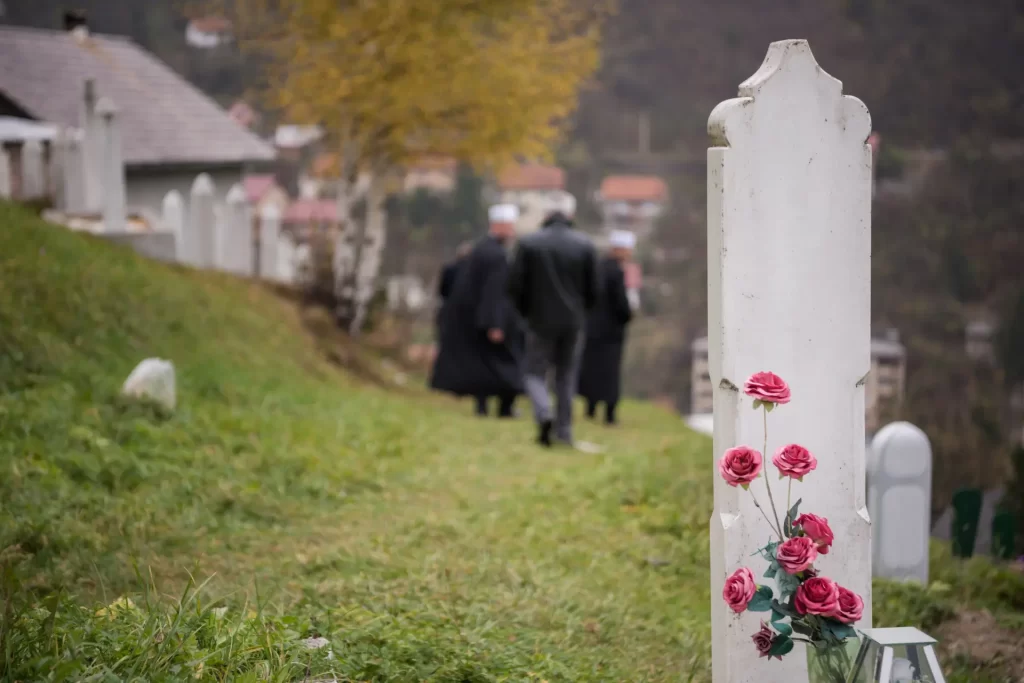
A memorial is not just for one moment in time. There are many gentle ways to keep the memory of your loved one present in everyday life. You might light a candle on their birthday, cook their favourite meal, or visit the special place you created.
Starting small traditions, like writing letters to them each year or supporting a charity they cared about, can also help. These quiet acts help you continue the connection and allow the memory of your loved one to live on in your heart.
Find inspiring Memorial ideas to honour someone special, including custom items, garden tributes, and special gatherings to cherish their memory forever.
When someone special has passed, finding a personal way to remember them can bring comfort and help keep their memory alive. Whether you want to create a peaceful place, share stories, or mark a day each year, there are many beautiful ways to honour their life.
Memorials give us a chance to reflect on a loved one’s life and the impact they had. They can help us process grief, celebrate happy memories, and create something lasting to hold onto. For many people, memorials are also a way to bring together friends and family and keep that person close in heart.
You do not need a large event or permanent structure. A memorial could be as simple as lighting a candle, planting a flower, or choosing a quiet place to sit and think. What matters most is that it feels right and meaningful to you.
Personal items can help you hold onto the memories you shared. Memory boxes are a lovely idea. Fill them with photos, letters, small keepsakes, or something that reminds you of a special time. You might also want to keep a diary where you write down thoughts or memories over time.
Jewellery containing ashes, engraved items, or fingerprint designs can give you something to wear every day. Some people create photo books, which are a wonderful way to share memories with children or friends who did not know the person well.
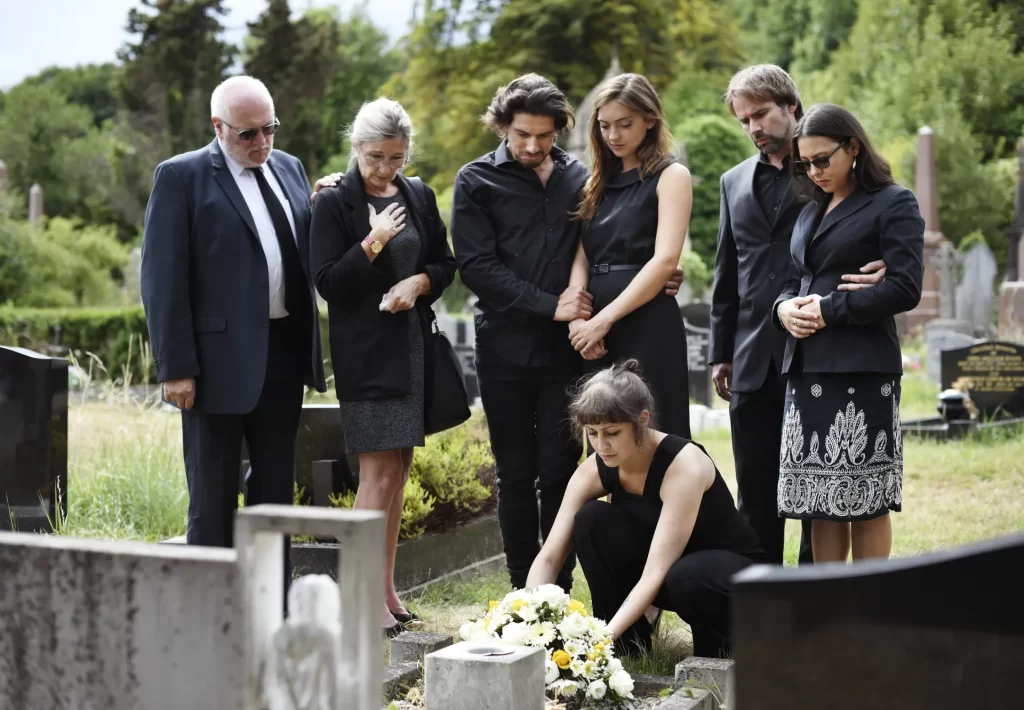
Creating a special place outdoors is a peaceful way to remember someone. You could plant a tree or a bed of flowers in a garden they loved or even set aside a quiet space with a bench or a small statue.
Adding a name plaque or wind chimes can give it a personal touch. Over time, this space becomes a spot to think, reflect, and feel close to them. Each year, you can add something new, such as fresh flowers or a candle on a special day.
Gathering with others is a powerful way to share grief and memories. A memorial service does not have to follow tradition. You can choose what feels right, whether it is a quiet meal, a walk in a special place, or reading aloud from their favourite book.
Some people hold a yearly event on their birthday or the day they passed. You might ask friends and family to share a story, a photo, or simply spend time together. These moments bring comfort and help keep their memory alive through the people who knew and loved them.
Memorials do not have to be tied to a certain place or time. Everyday actions can mean just as much. You could cook their favourite meal, play their favourite song, or carry out small acts of kindness in their name.
Lighting a candle, placing flowers beside their photo, or wearing something that reminds you of them can help you feel connected. Even talking about them and sharing memories with friends or family is a simple and beautiful way to keep their spirit alive in your life.